7 Modular Product Trends Dominating 2025
Personalization used to mean choosing your favorite color. In 2025, it means choosing your own reality. As hybrid work stabilizes and digital fatigue sets in, the demand for flexible, customizable physical goods has shifted from a luxury to a necessity.
Modularity isn't just a buzzword anymore—it's the architecture of the future consumer experience. Whether it's a desk setup that adapts to your mood or a kitchen tool that swaps blades for sustainability, the trend is clear: build it your way, break it down to fix it, and upgrade it when you want.
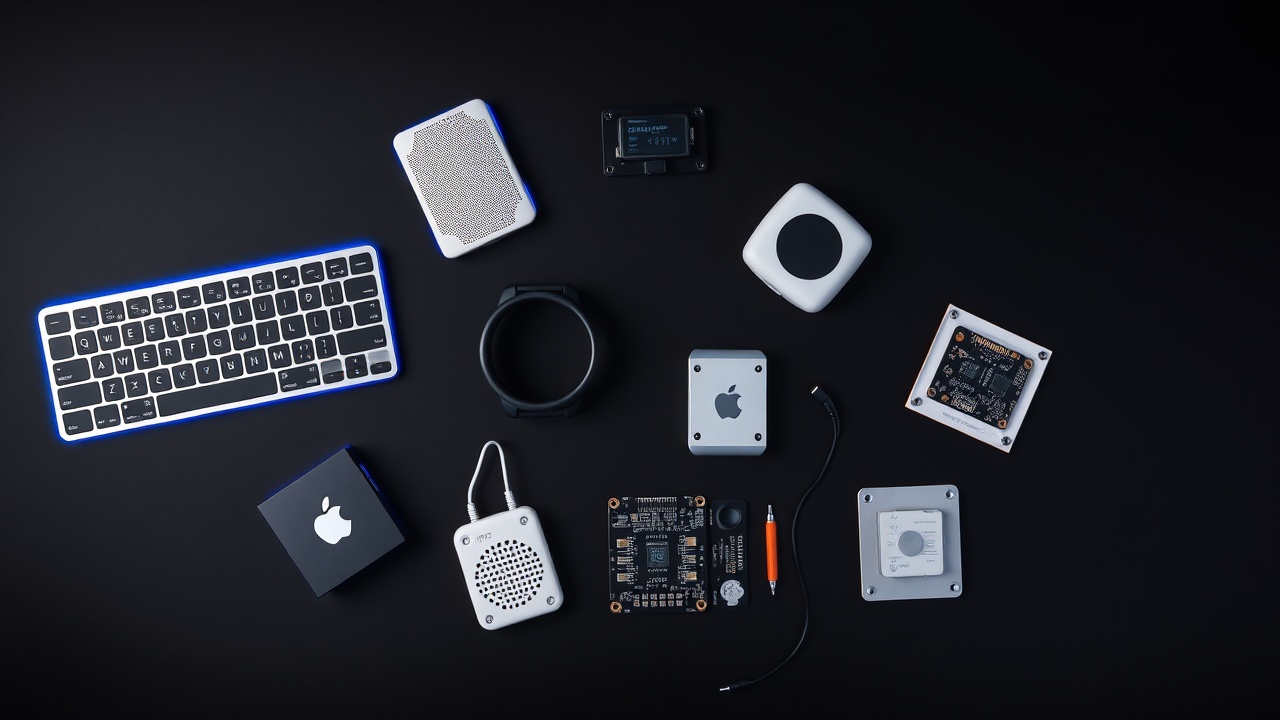
1. Modular Desk Setups (The WFH Boom Continues)
The home office has evolved from a spare bedroom into a command center. 2025 sees a surge in "flat-pack ergonomics"—desks that ship flat but expand into complex, cable-managed workstations. Brands like ModDesk and Lumina are leading the charge with adjustable heights and detachable screens, allowing users to reconfigure their space daily.
2. Swappable Wearable Tech
Forget one-size-fits-all fashion. Wearables are becoming modular accessories. We're seeing a rise in magnetic faceplates for watches, interchangeable bands for smart rings, and battery-swappable armbands. This trend prioritizes longevity and style without the need to buy entirely new devices every season.
3. Configurable Audio Gear
The "audiophile DIY" movement is hitting the mainstream. Modular DACs, swappable EQ modules, and Bluetooth switchers are dominating the tech shelf. Consumers want to hand-pick the components that matter to them, building a sound system that is specifically tuned to their environment rather than buying a generic pre-packaged unit.
4. Modular Kitchen Tools
Culinary efficiency is driving design. Interchangeable blade heads for choppers, magnetic attachments for whisks, and modular mixing bowls are simplifying the kitchen drawer. This trend emphasizes safety and reduces plastic waste by allowing users to repair tools rather than replace them.
5. Open-Source Hardware Kits
The Raspberry Pi generation is growing up. Kits that allow users to assemble their own smart home devices, security cameras, or pet trackers are trending. These products come with open-source code and 3D-printed parts, fostering a community of makers who love to hack and customize their electronics.
6. Sustainable Material Swaps
Modularity meets ethics. Brands are swapping traditional plastics for modular, bio-based composites and recycled metals. If a part breaks, you don't throw the whole product away; you simply replace the specific component. This circular economy approach is becoming a key differentiator for eco-conscious buyers.
7. AI-Generated Custom Configurations
The ultimate trend is the merger of AI and hardware. We are seeing platforms where customers can describe their ideal setup via text, and an AI generates a unique modular configuration, complete with pricing and a 3D preview. It's the end of the static product catalog.
Don't just watch the trends. Sell them.
Whether you're a maker building the next modular desk or a brand launching a customizable audio line, Modly gives you the tools to sell what's next.